Born in 1953 in Widnes, in the North west of England, Michael Kenna grew up in a working-class Catholic family. His childhood and adolescence were shaped by a strict education and seven years spent in a small seminary, a formative period that he himself links to his enduring relationship with silence, doubt, and that which escapes immediate perception. For a time, he considered the priesthood, before turning away from it in his teenage years. He later stated that this spiritual training has never left his work, fostering a particular attention to the invisible and to suggestion rather than to direct description.
His orientation towards the arts developed gradually. He began with drawing, then continued his studies at Banbury School of Art and the London College of Printing. Photography became both a means of expression and a practical necessity: a medium that allowed him to earn a living while maintaining creative freedom. After graduating in 1976, Michael Kenna moved to San Francisco where he met Ruth Bernhard, a major figure in modernist photography, with whom he collaborated for nearly ten years as a printer. This experience profoundly influenced his practice: it instilled in him an absolute demand for the quality of prints, but above all the idea that a negative is merely raw material, open to interpretation and transformation.
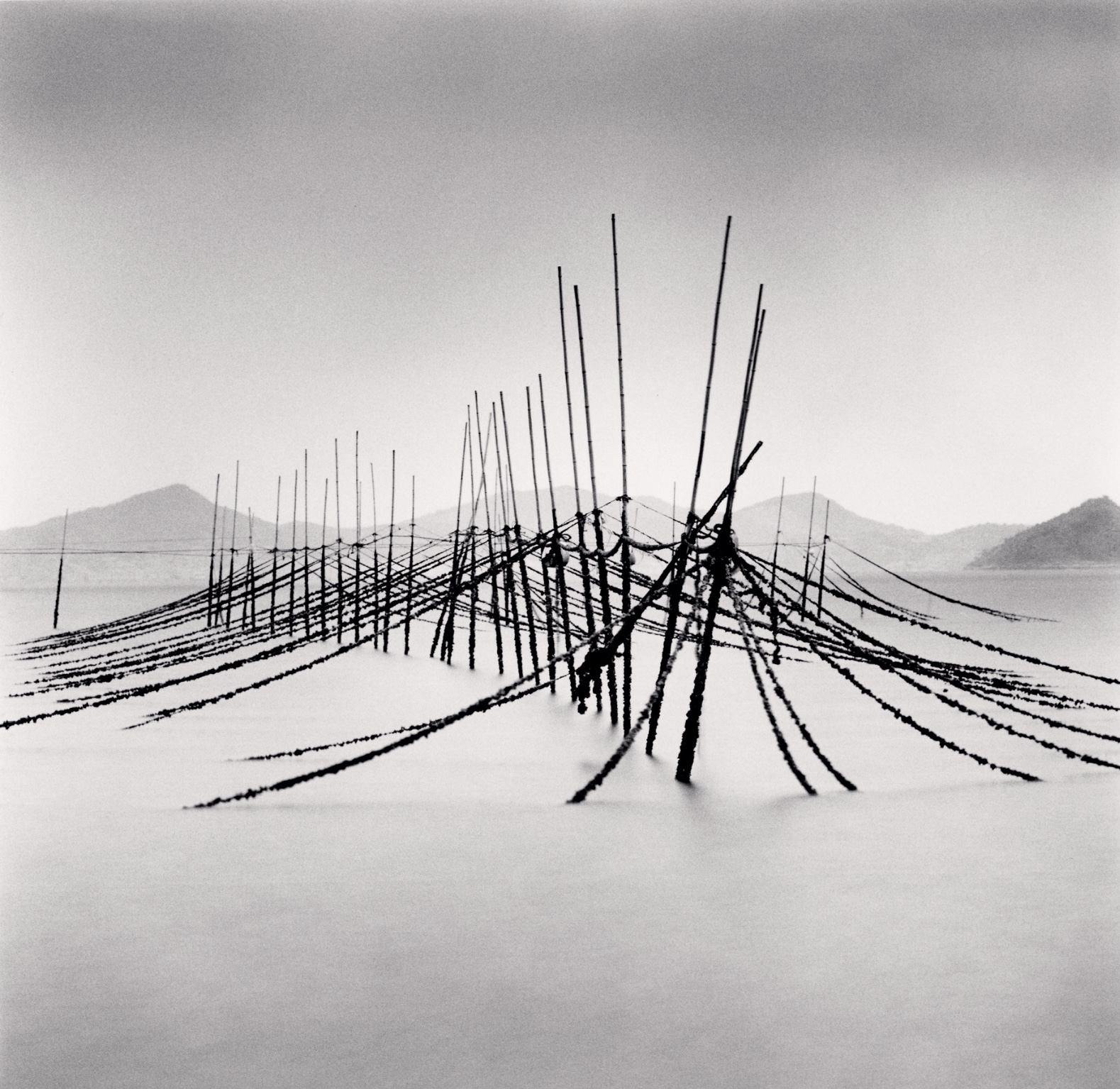
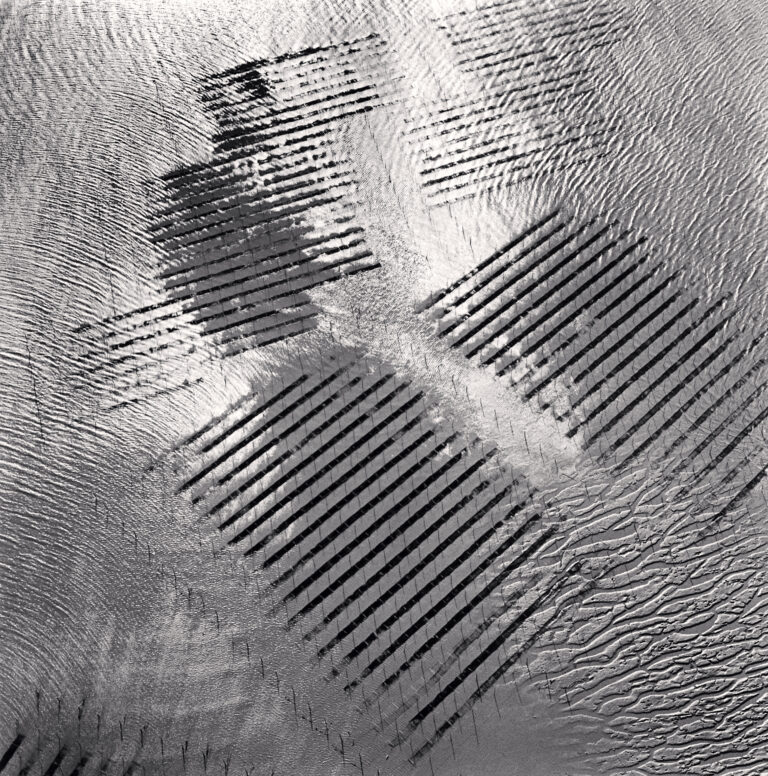
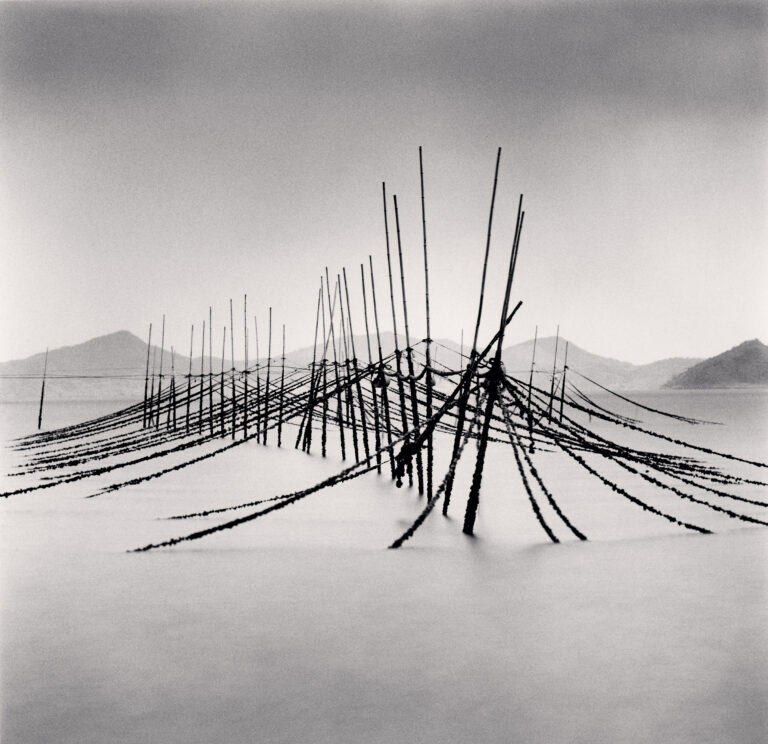
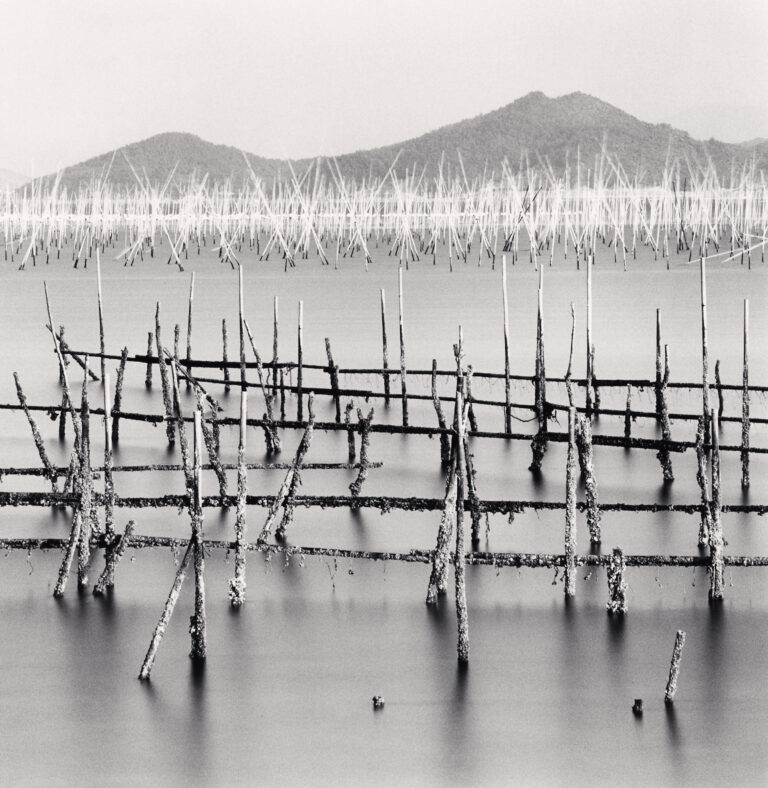
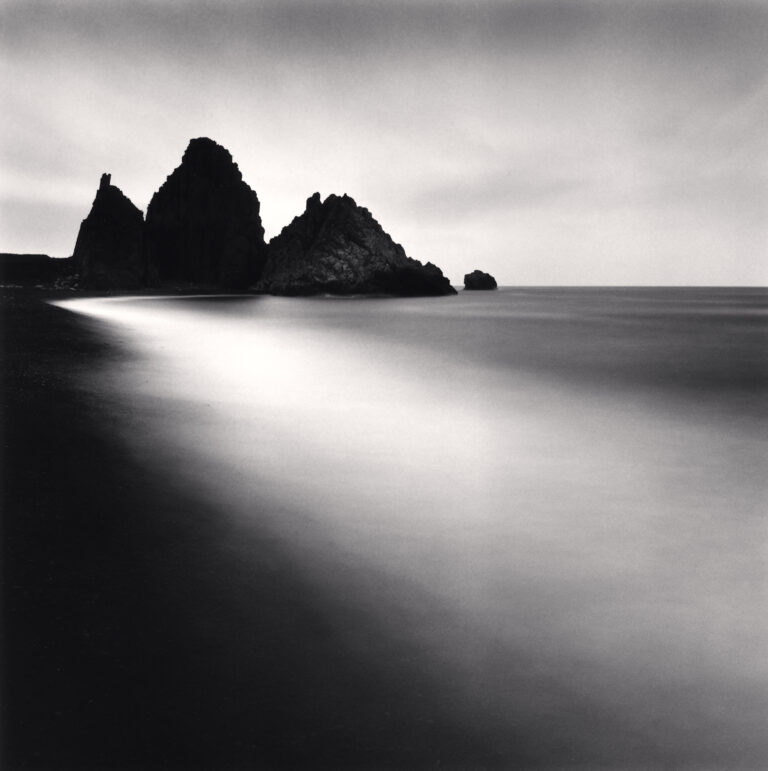
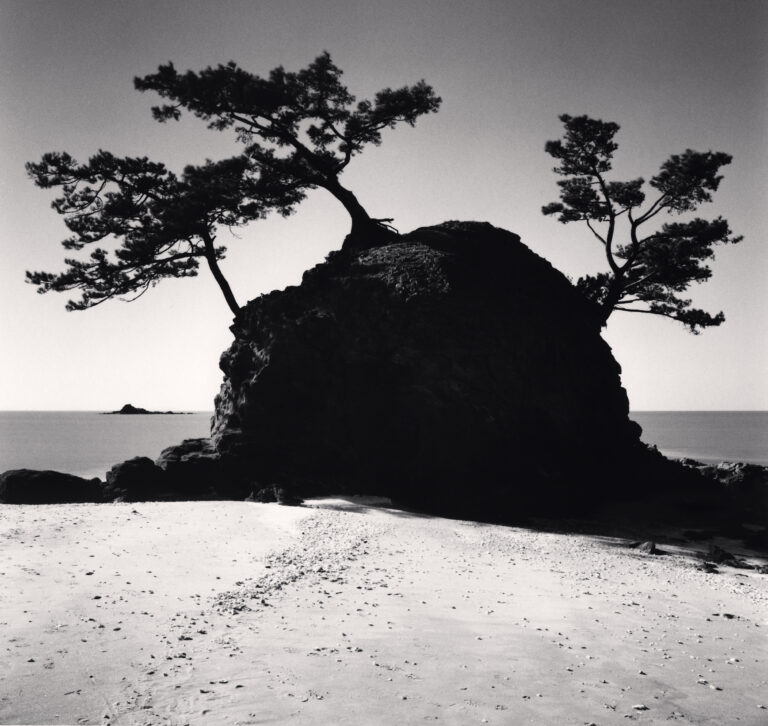
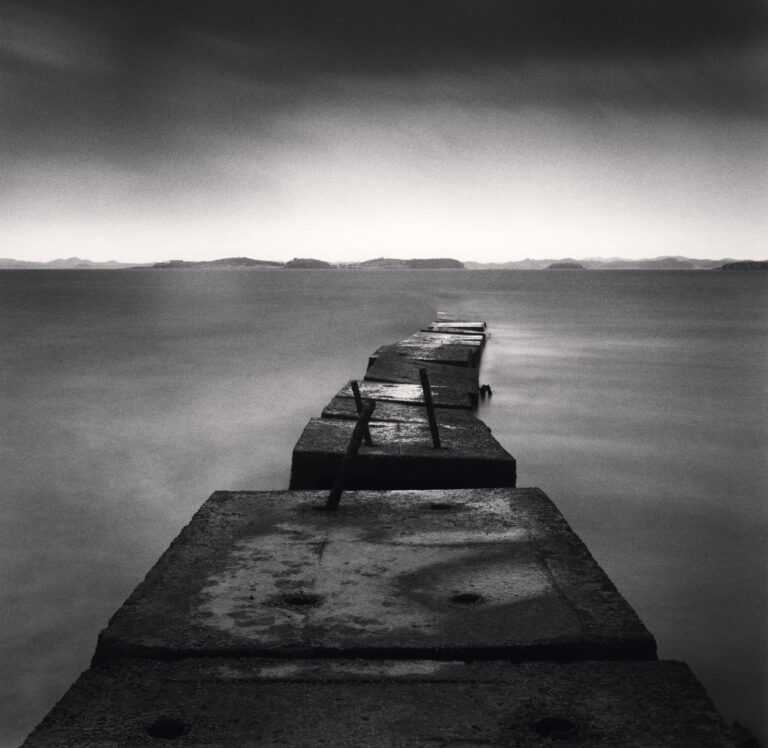
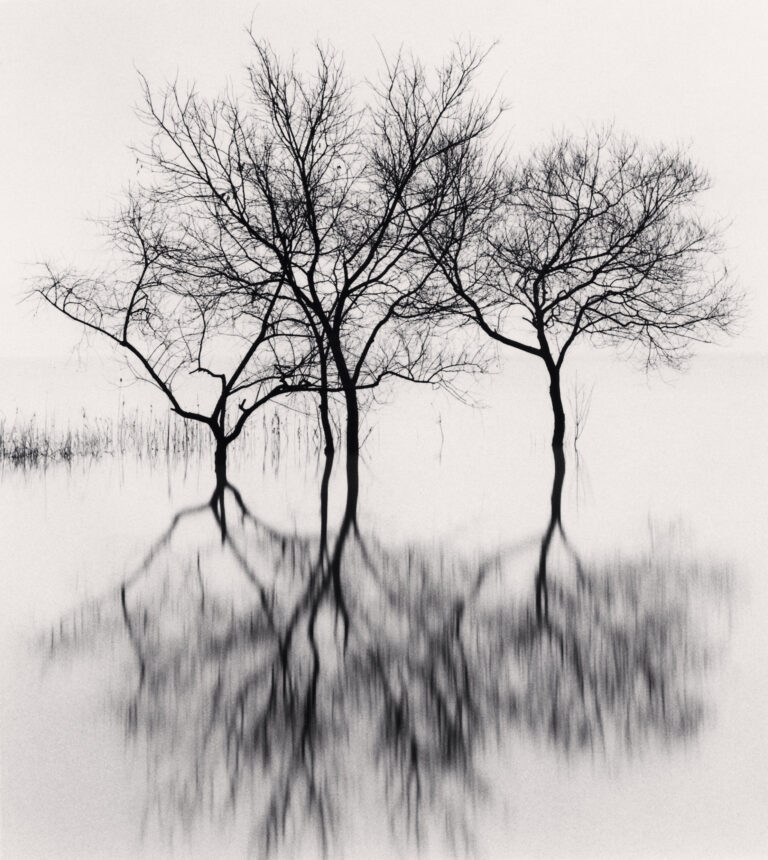
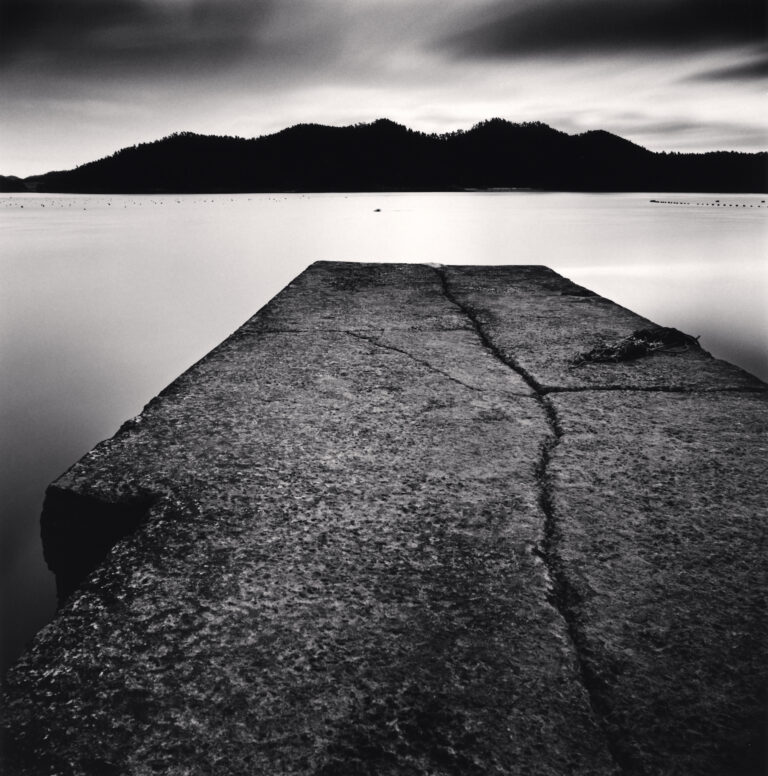
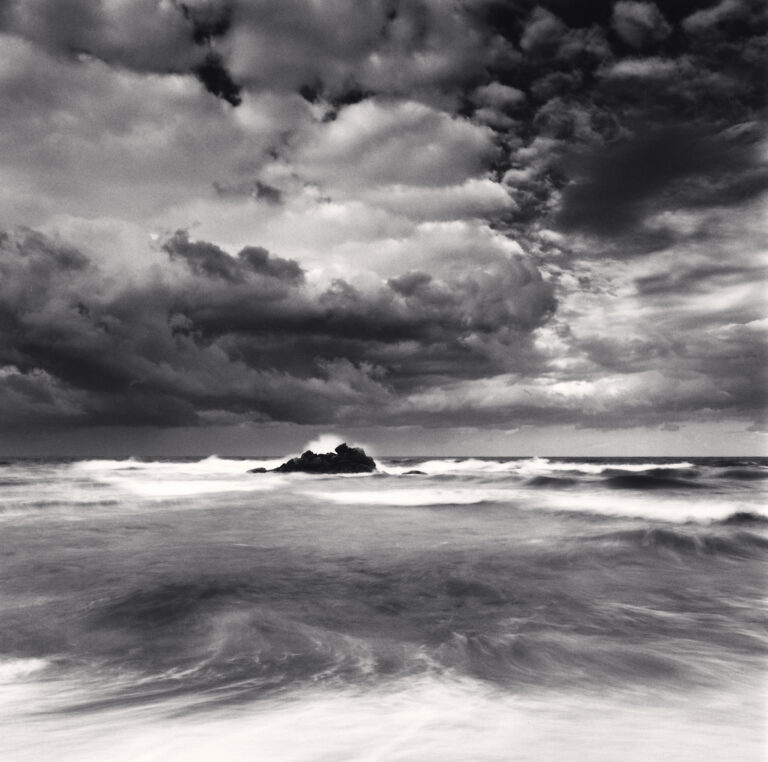
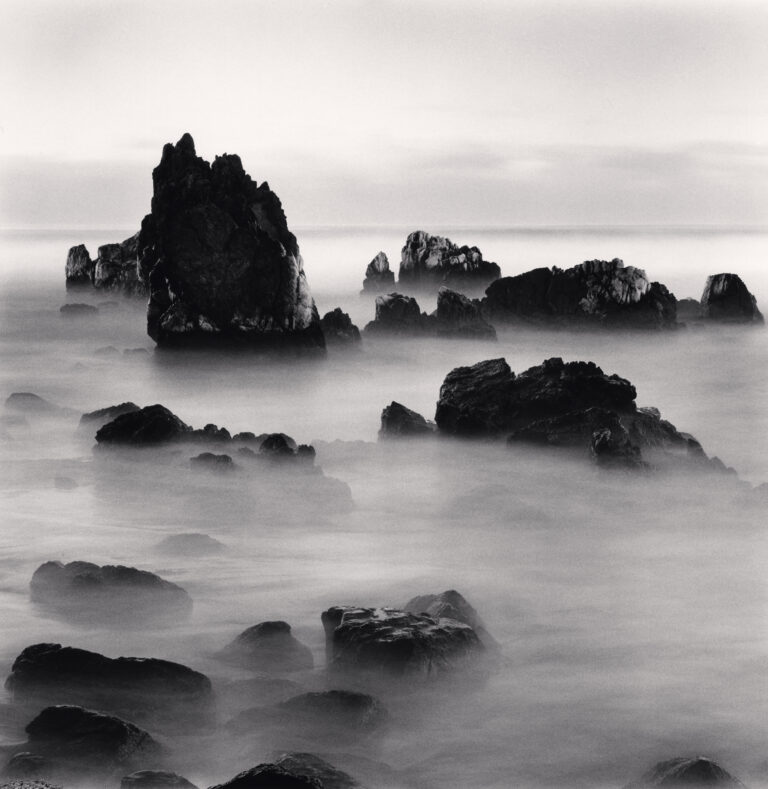
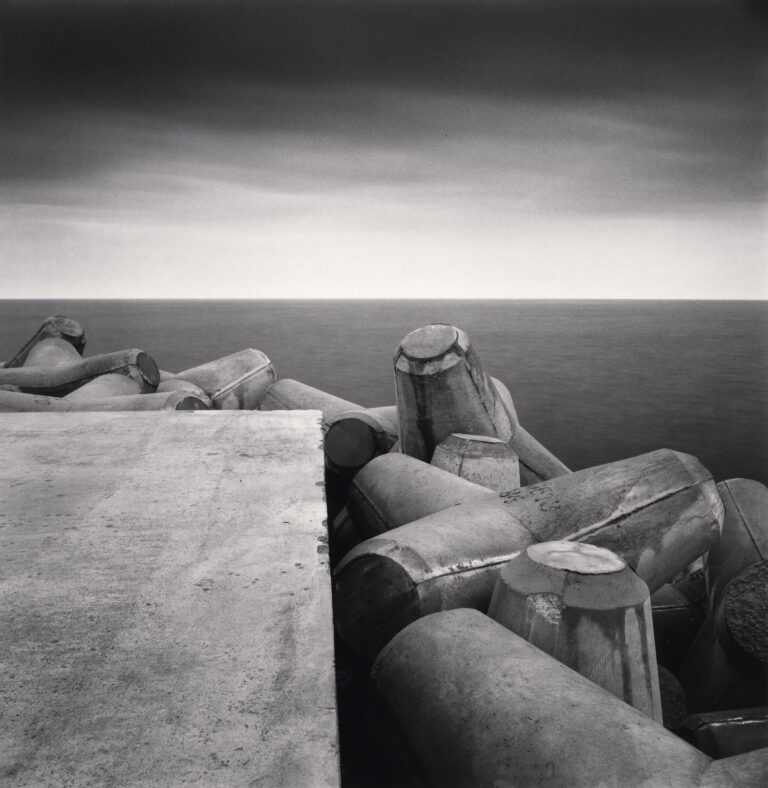
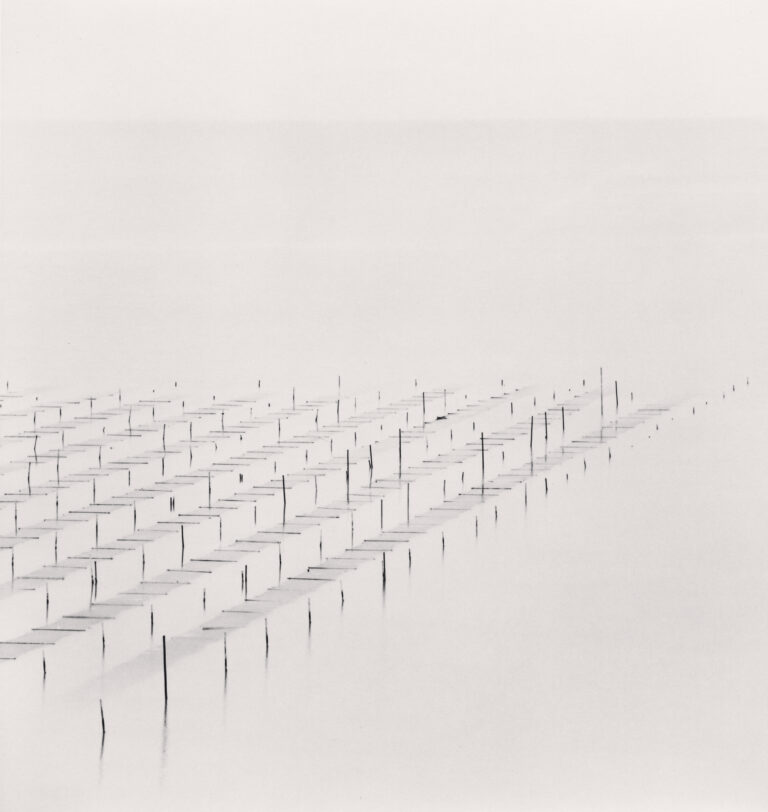
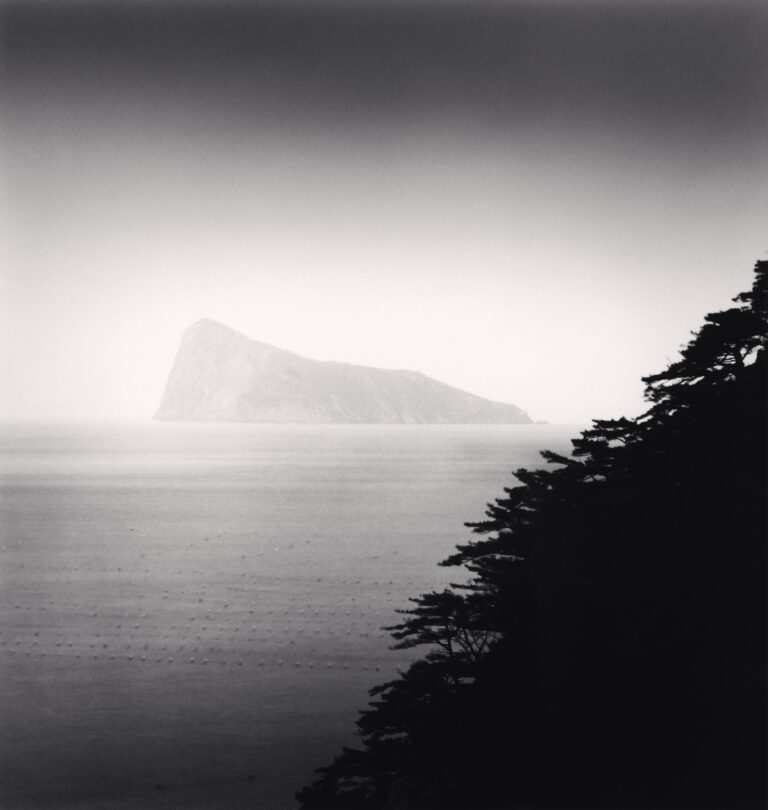
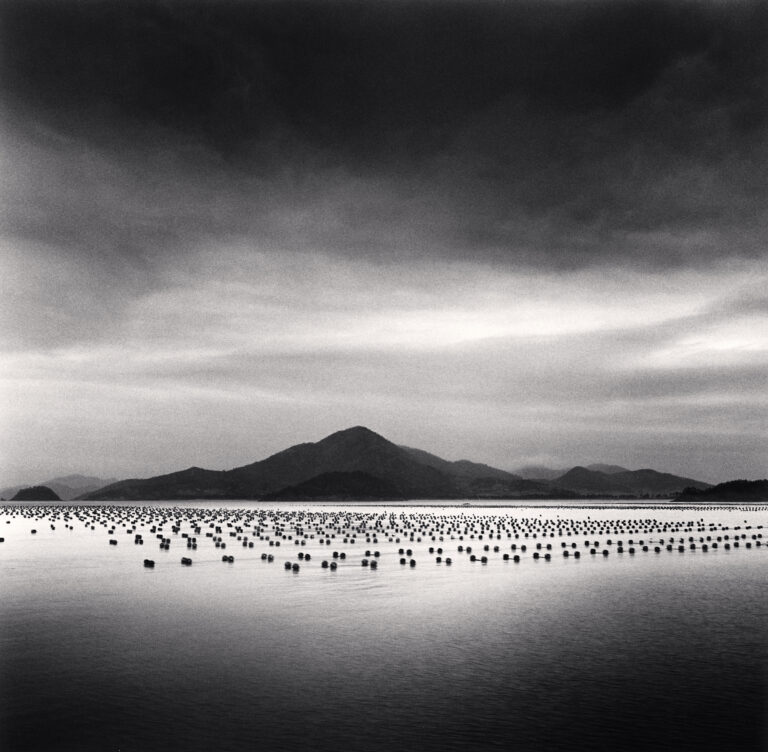
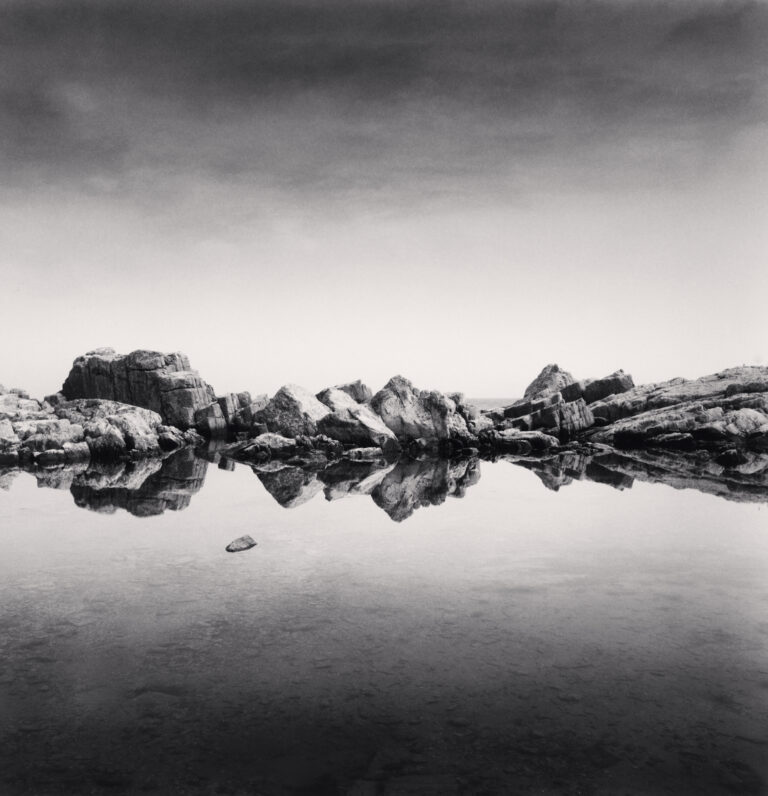
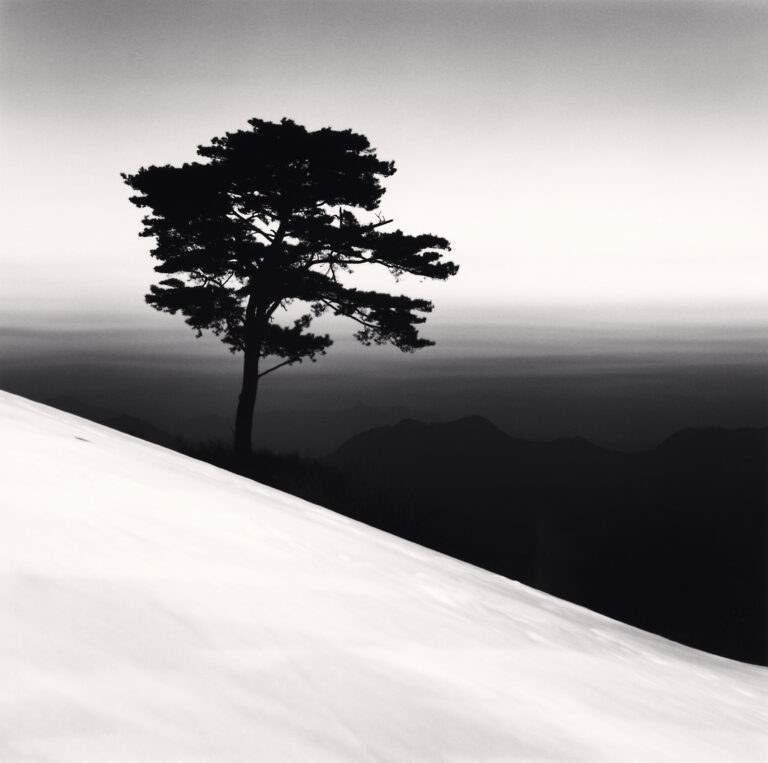
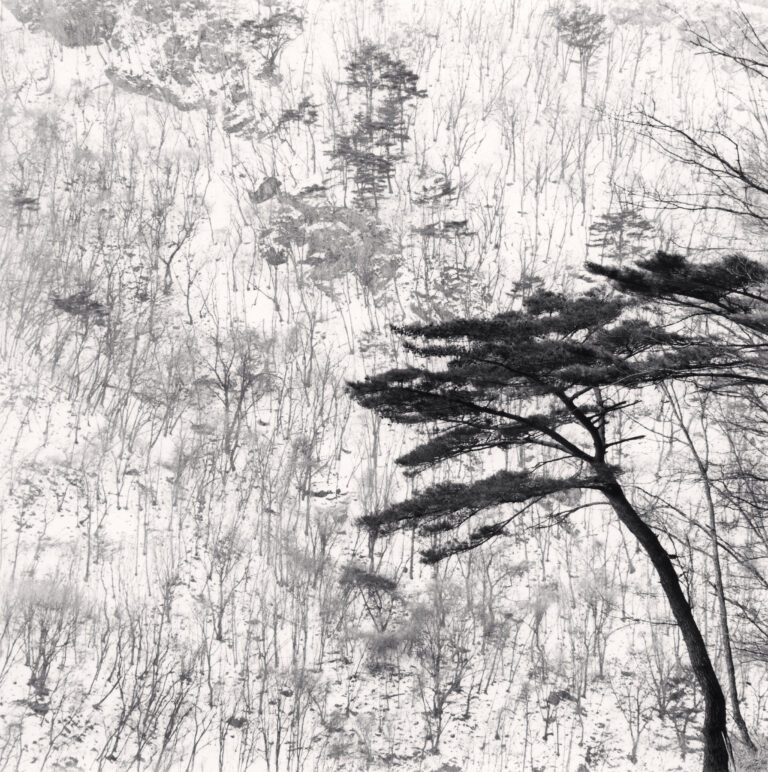
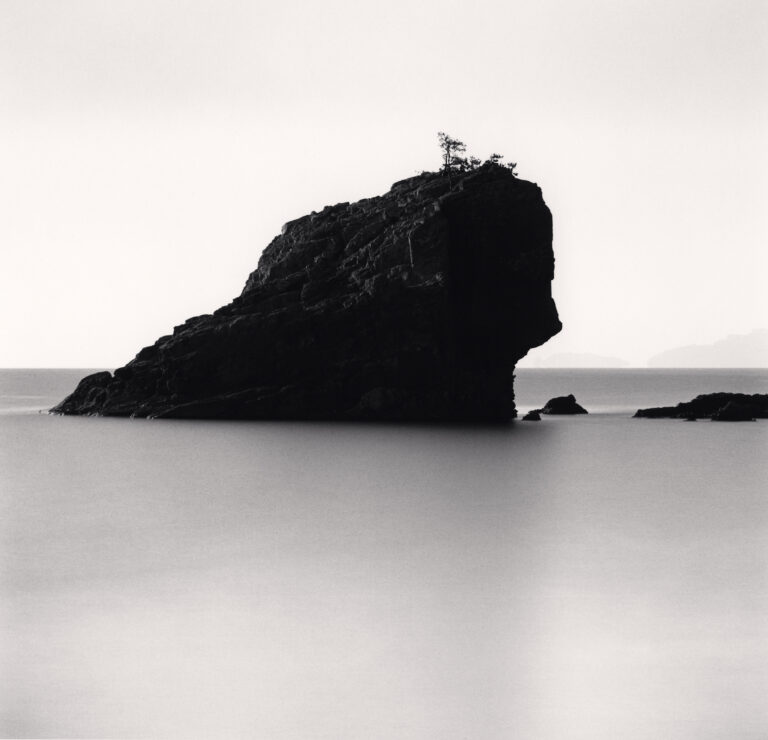
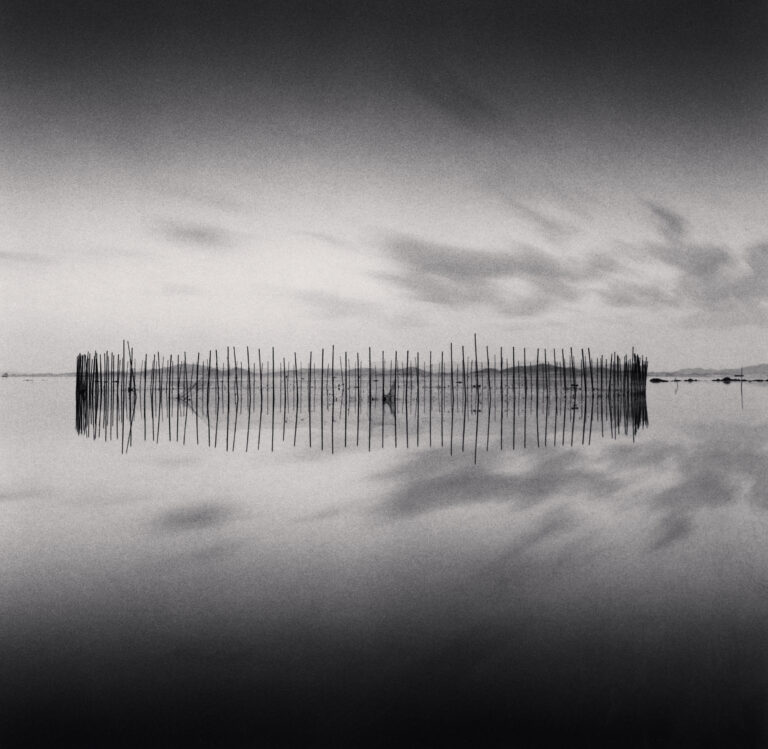
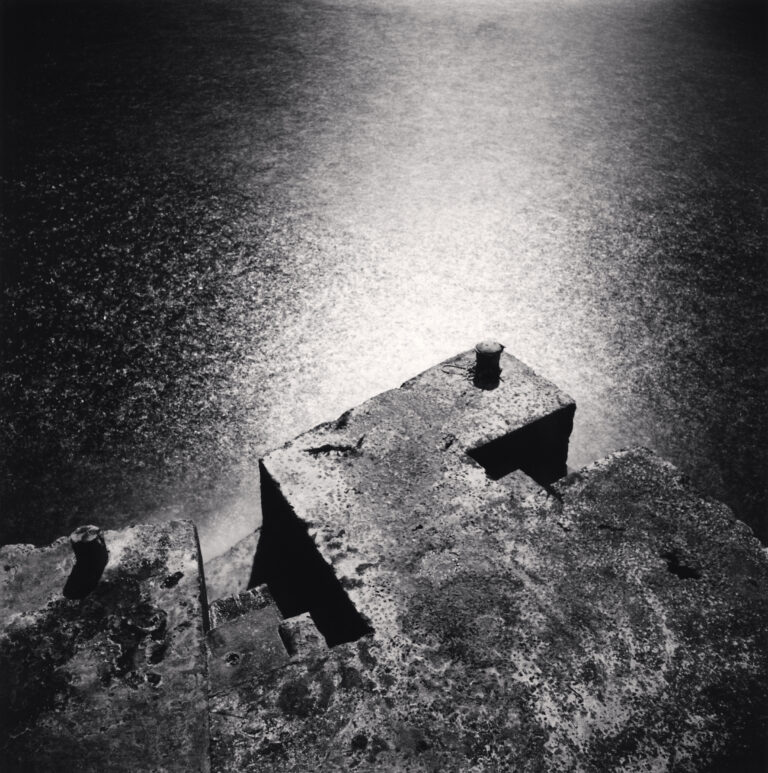
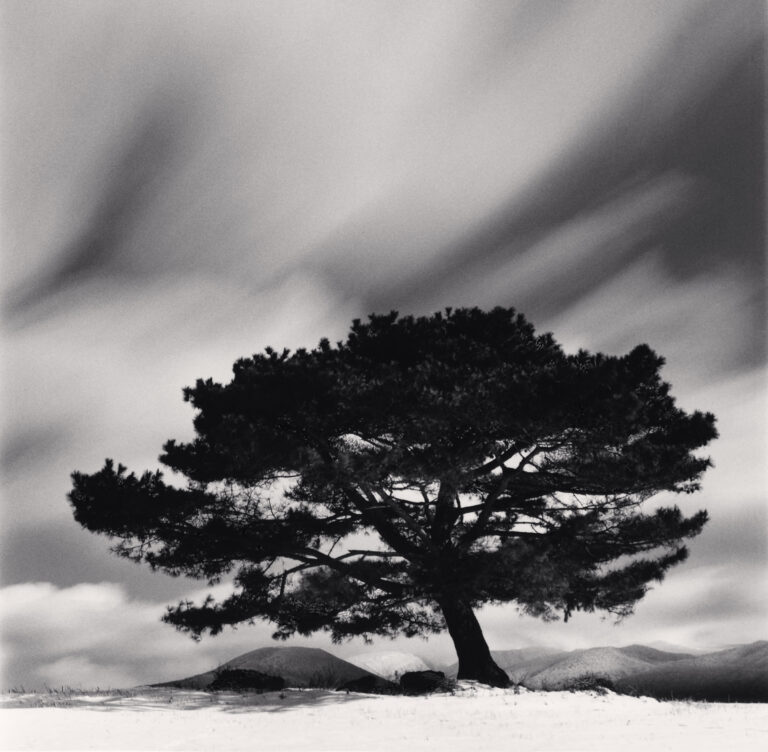
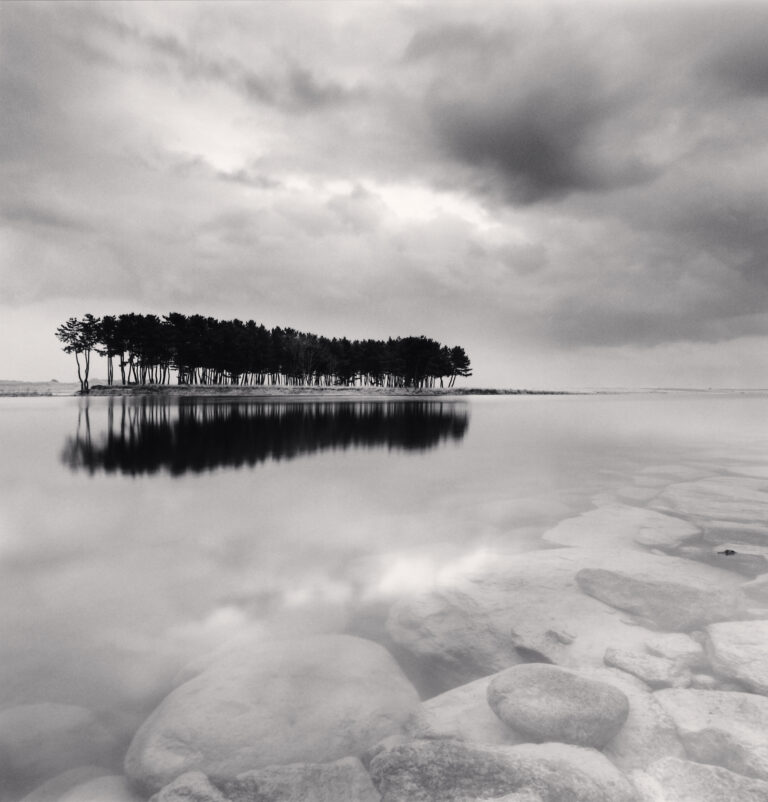
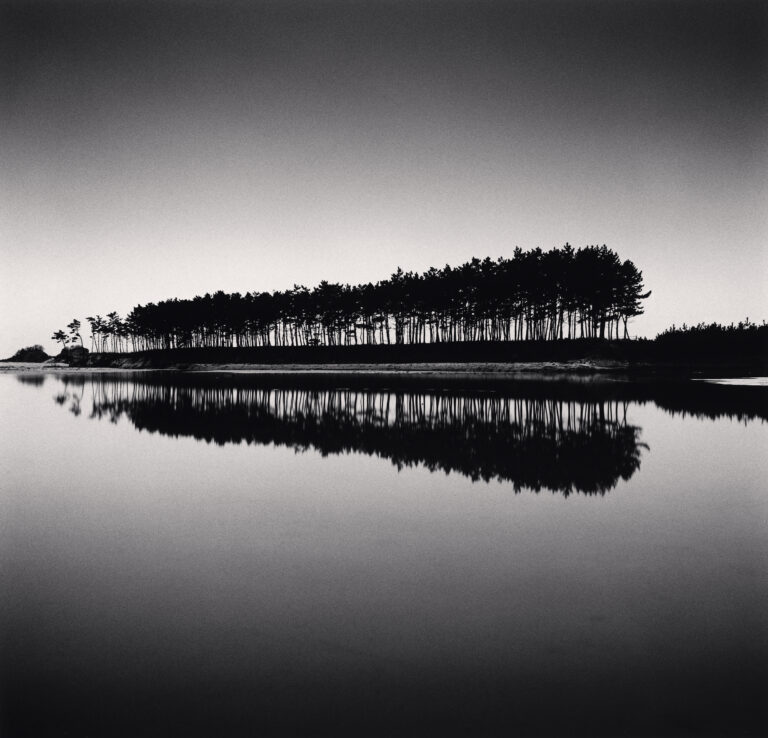
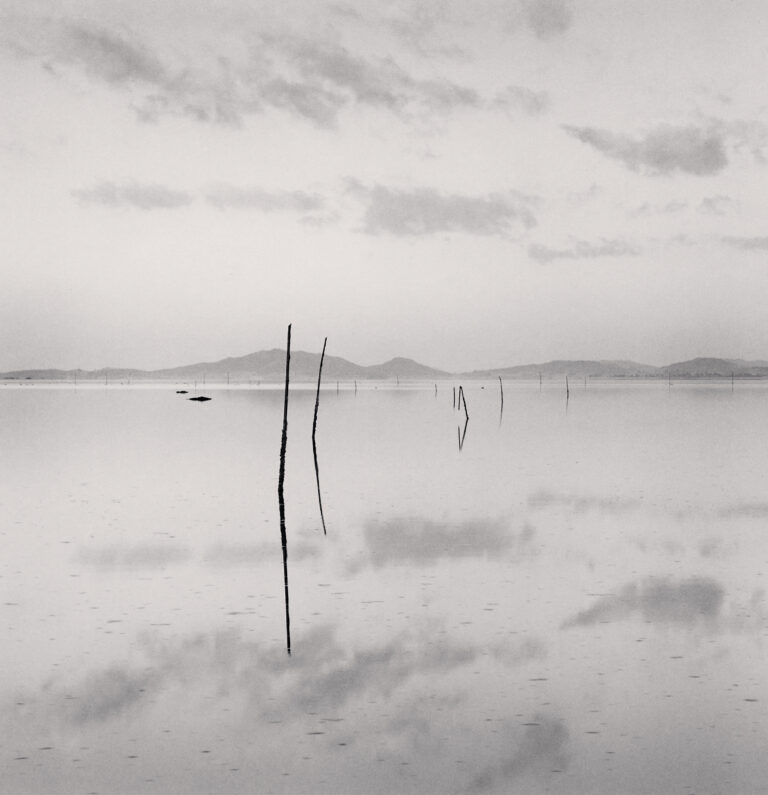
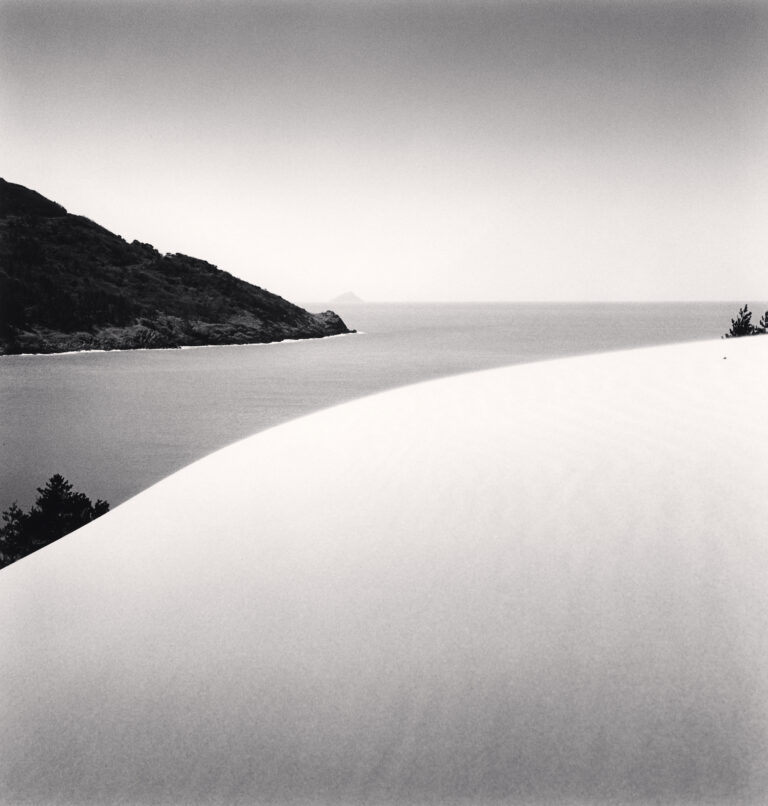
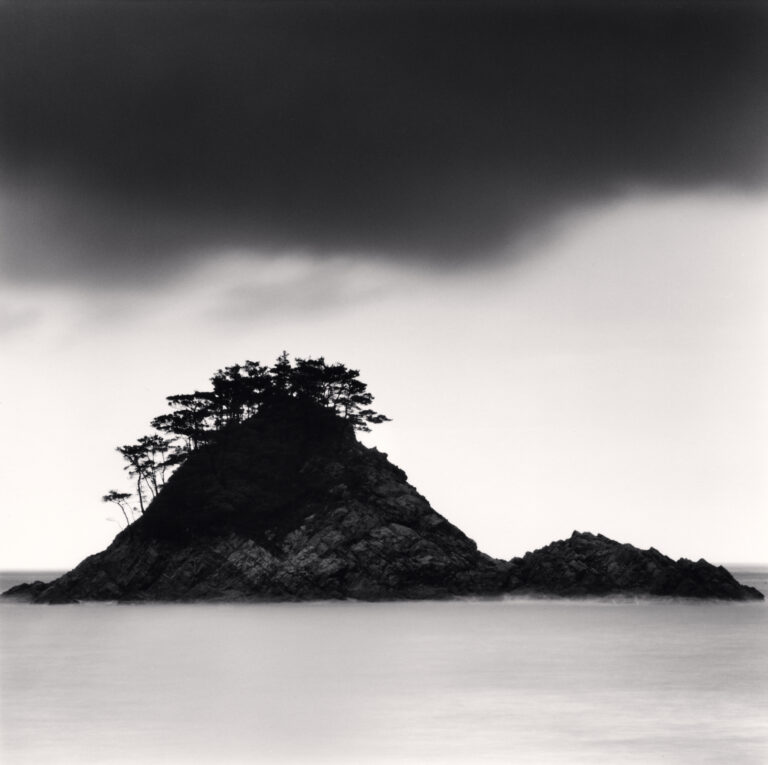
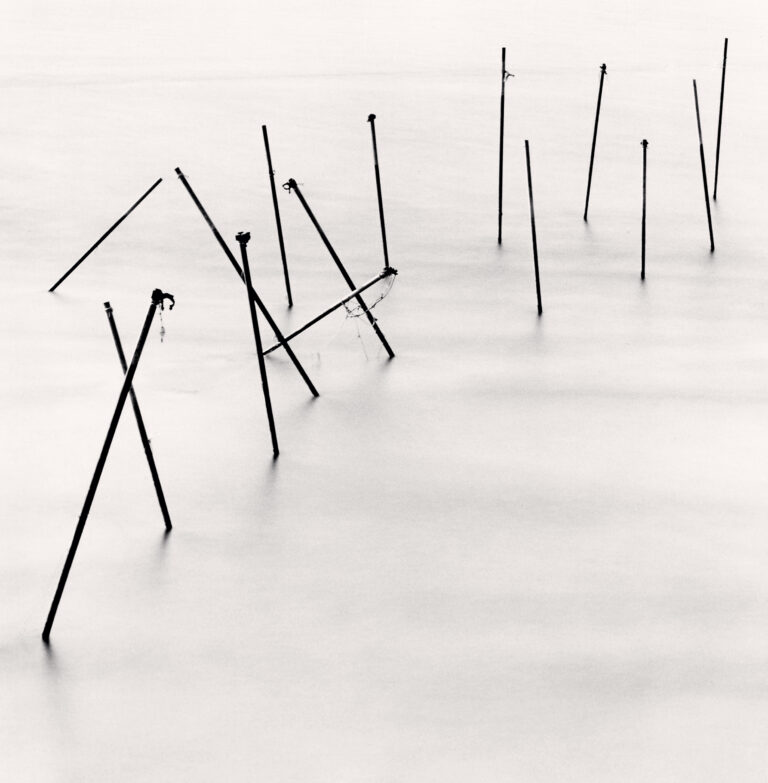
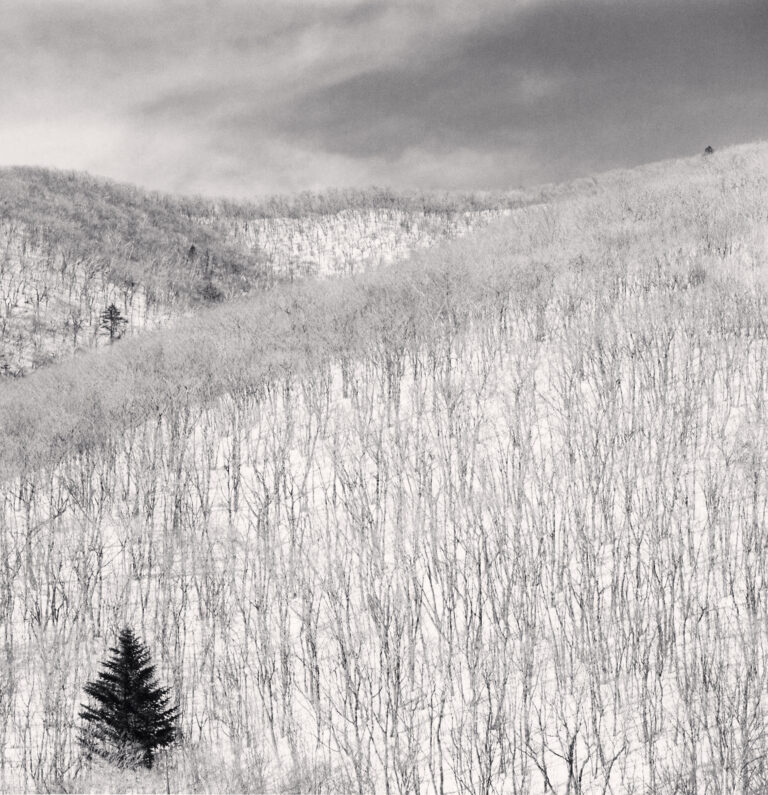
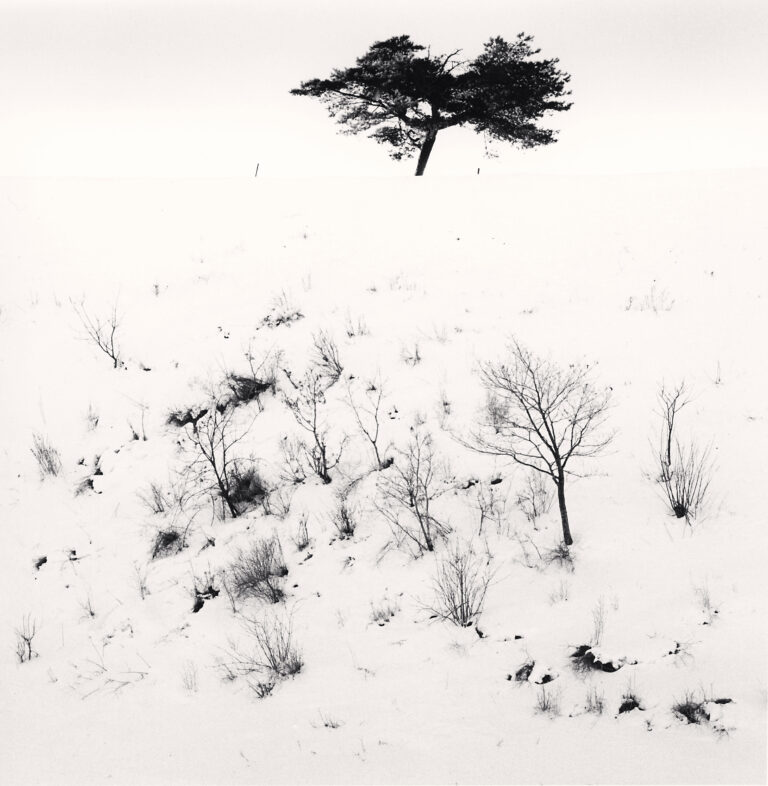
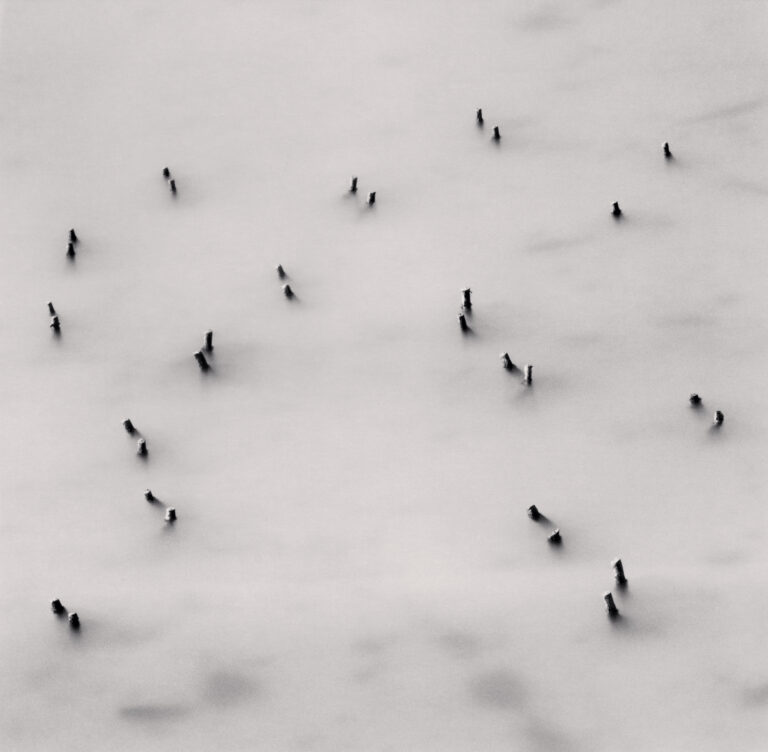
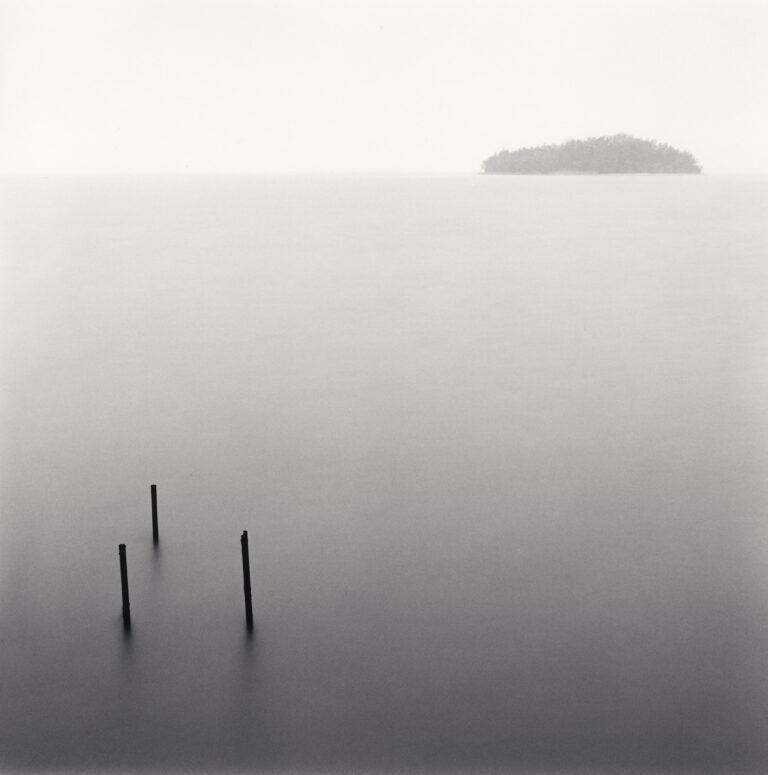
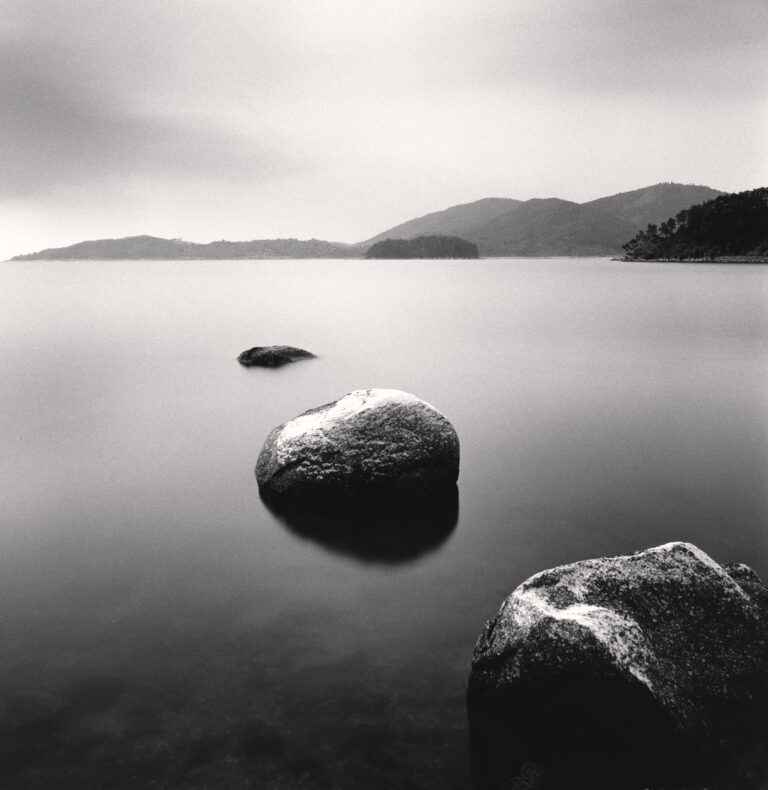
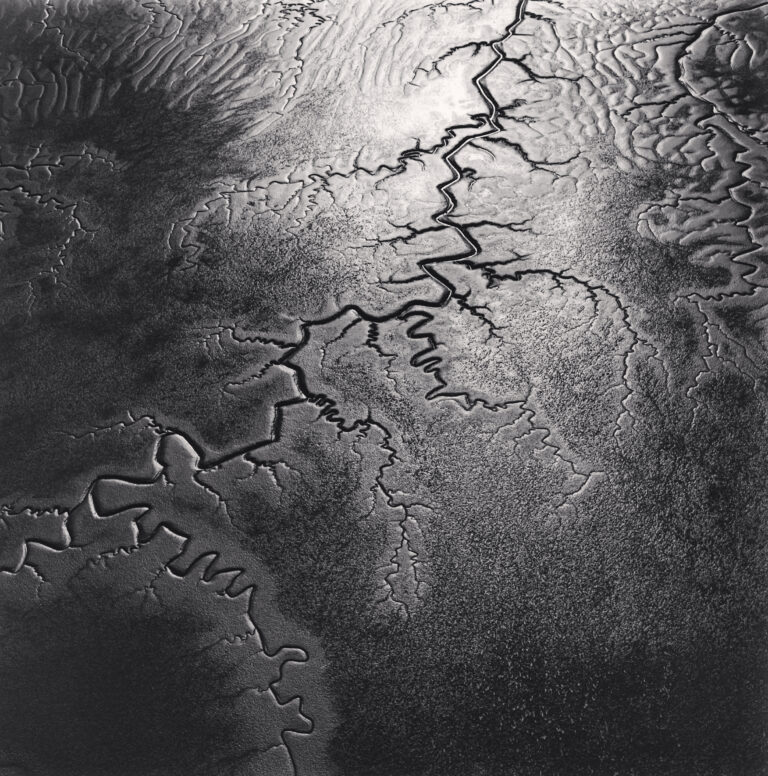
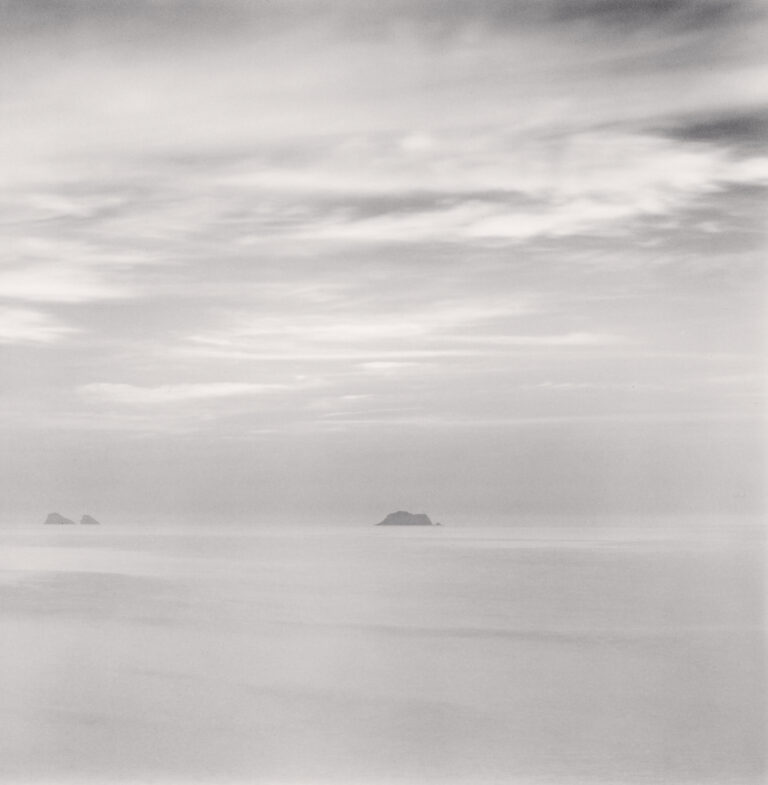
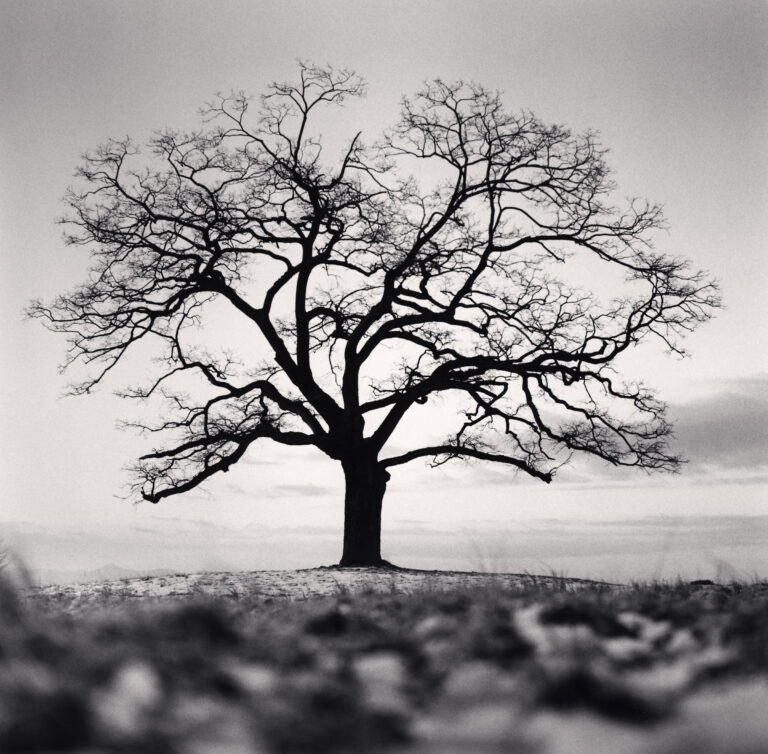
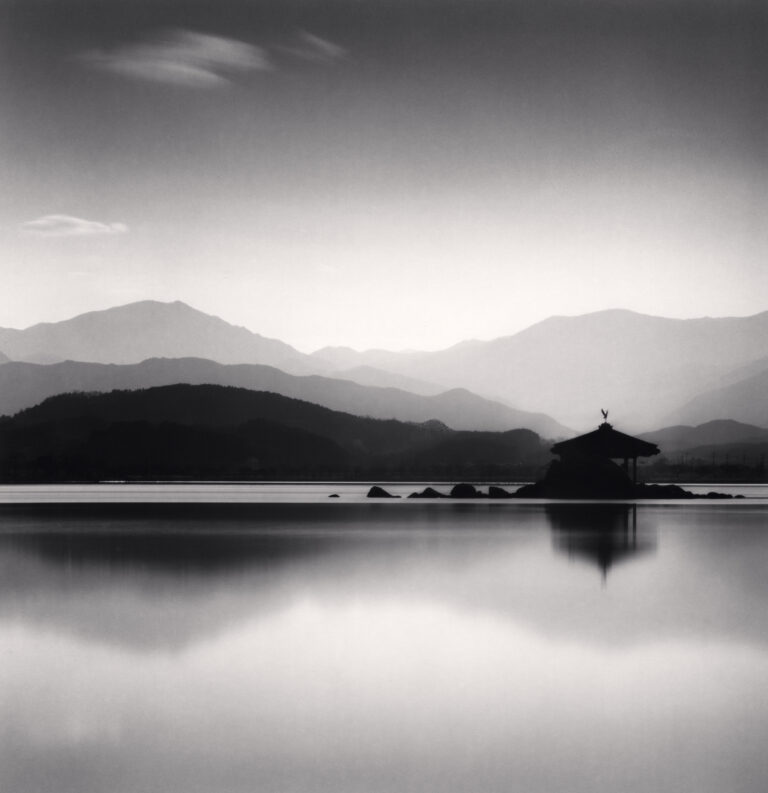
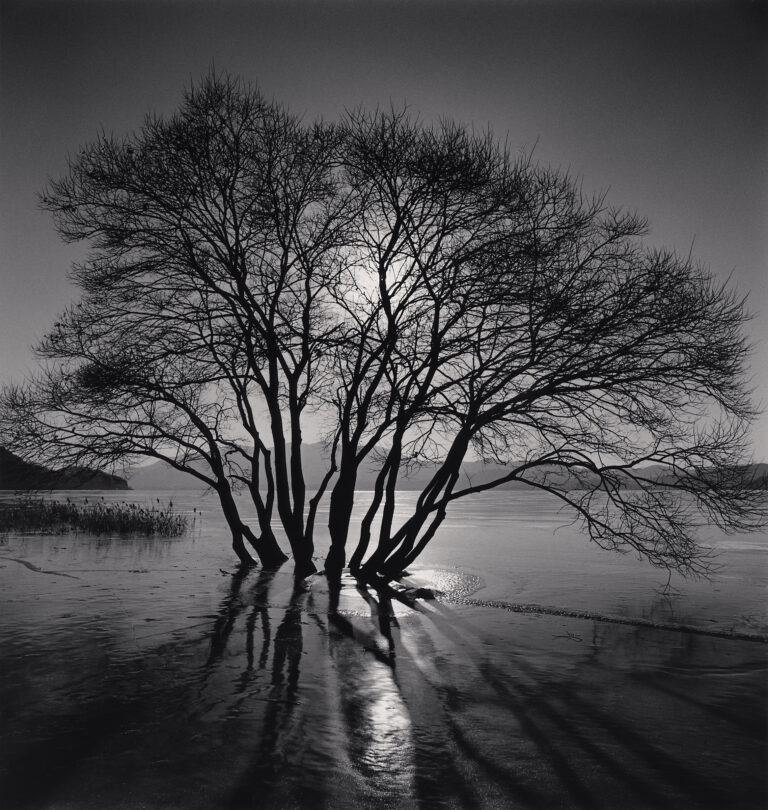
For almost fifty years, Michael Kenna has developed a body of work created exclusively in black-and-white silver gelatin. He photographs natural, urban, or industrial landscapes, almost always devoid of human figures. This absence is intentional: humanity appears only through traces, allowing the landscape to retain its full evocative power. Kenna explains that he does not seek to describe the world exhaustively, but to suggest, to create open images in which the viewer can project their own experience. His practice relies on long exposures, often made at dawn, at night, or in overcast conditions. He asserts that these prolonged exposure times allow the film to accumulate a duration that the human eye cannot perceive. This relationship to time is central to his work: photographing becomes also a moment of waiting, stillness, and presence, during which he can simply be, while the camera records.
The darkroom is a central element in Michael Kenna’s process. He personally prints all of his silver gelatin. He describes printing as a true stage of creation, comparable to shaping a material. Each image gives rise to numerous variations: contrasts, filtration, burning, masking, toning, and sometimes ink highlights. He typically produces a series of prints from a single negative, only a portion of which is retained. No print is ever strictly identical to another: the differences depend as much on technical choices as on his mental state at the time. This practice gives his photographs a unique status, at the border crossroads between photography and one-of-a-kind artwork.
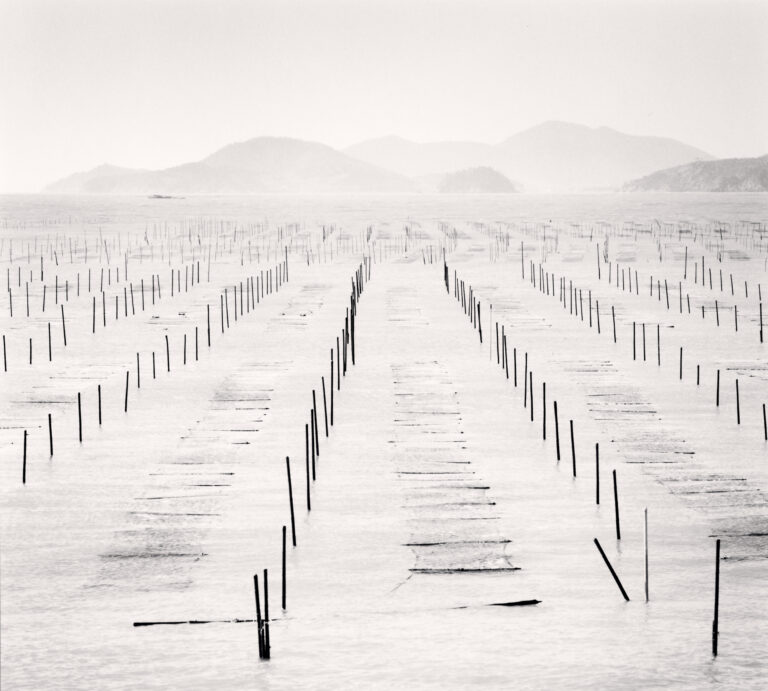
Travel has been central to his approach from the very beginning. Michael Kenna connects this need to move with his early departure from the family home and his profound taste for solitude. He explores slowly, regularly returns to the same locations, and works in series. To date, his work spans forty-three countries across five continents. From industrial England to Detroit, from historic French gardens to Mediterranean coasts, from the United States to Asia—particularly Japan, China, Thailand, and South Korea—he constructs an intimate geography based on repetition and variation.
Michael Kenna favours an intimate scale for his prints. Throughout his career, he has consciously resisted market pressures to produce larger or more spectacular works. In his view, the small format encourages a direct and almost confidential relationship with the image, inviting the viewer to a slow and attentive engagement.